
Misinformation isn’t just a problem of facts—it’s a problem of human psychology. Why do we believe things that aren’t true? Why do some falsehoods spread like wildfire while the truth struggles to keep up? To understand misinformation, we must first understand ourselves.
The Brain’s Shortcut to Belief
Our brains are wired for efficiency, not accuracy. The cognitive ease effect explains why we’re more likely to believe information that is simple, repeated, or emotionally charged. If something “feels” true, we rarely stop to question it. Familiarity breeds belief, even if what we’re encountering is entirely false.
Confirmation Bias: Seeing What We Want to See
One of the strongest psychological forces behind misinformation is confirmation bias—the tendency to seek, interpret, and remember information that supports our existing beliefs while dismissing what contradicts them. Social media algorithms amplify this by feeding us content that aligns with our views, reinforcing our sense of certainty, even if it’s based on falsehoods.
The Role of Emotion
Misinformation often thrives because it triggers strong emotions—fear, anger, hope. Studies suggest that content eliciting an emotional reaction is more likely to be shared, which is why conspiracy theories and sensational headlines spread so rapidly. In contrast, dry, fact-based corrections don’t generate the same level of engagement.
The Illusion of Knowledge
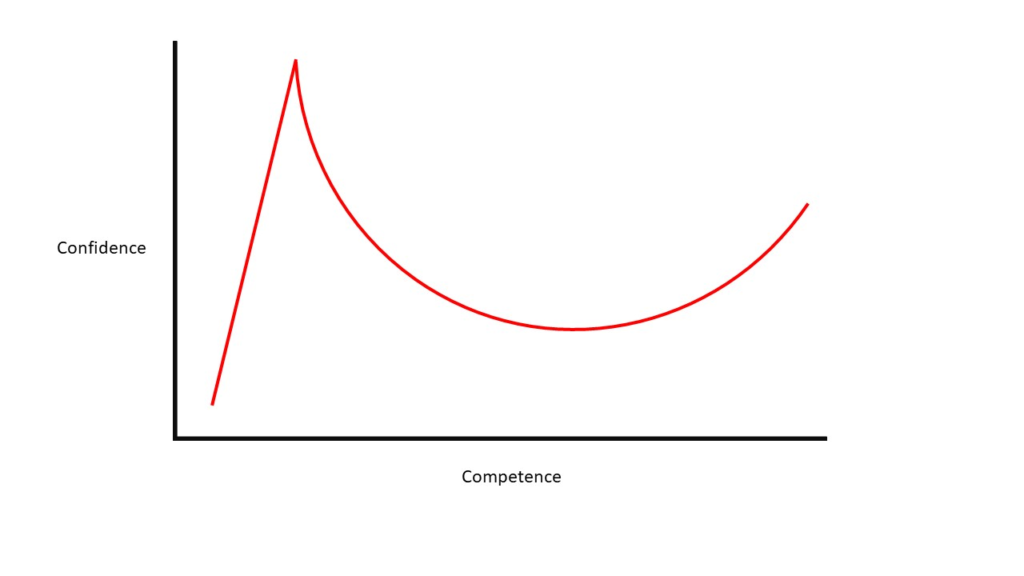
Many people believe they understand complex topics better than they actually do—a phenomenon known as the Dunning-Kruger effect. This overconfidence can make individuals resistant to correction, as they feel their understanding is already complete. This is why misinformation often persists even after it’s been debunked.
The Social Influence Factor
Humans are social creatures. We’re more likely to believe and spread information that aligns with our group’s beliefs. Whether it’s political affiliations, cultural backgrounds, or close-knit communities, our need to belong often outweighs our need for accuracy. Rejecting misinformation can sometimes mean rejecting our social identity, making it difficult to change our minds.
Fighting Misinformation: Can We Rewire Our Minds?
Understanding the psychology behind misinformation is the first step in combating it. Some strategies include:
- Slowing down before sharing content. If something provokes a strong emotional reaction, it’s worth fact-checking.
- Diversifying sources. Engaging with different perspectives can reduce confirmation bias.
- Being open to change. Recognizing that we can be wrong is a strength, not a weakness.
Misinformation isn’t going anywhere, but by understanding the psychological forces that drive it, we can become more discerning consumers of information. The truth may not always be the loudest voice in the room, but it’s always worth listening to.